
WHAT DO YOU DO?

WHAT DO YOU DO? Karoshi: The Question That Crushes a Man’s Soul and Kicks Him In The Ass You’re at a cocktail party.You’re at a backyard barbecue.Paper plate in one hand, beer in the other, some new guy walks up, makes eye contact, and within sixty seconds you’re in the ritual. The first question is always harmless: “What’s your name?” Easy. Surface-level. Scripted. But if you’re a man, you know what comes next.The question that isn’t just expected—it’s demanded.The one that comes with invisible strings and iron-clad expectations. “So… what do you do?” Now here’s the thing—it’s not always the second question for women. They often get something else entirely. Something relational, something light, something human: “Do you have kids?” or “Where do you live?” But for men? The script is damn near universal. That second question is always the same, always pointed, always about work. It doesn’t ask who you are. It doesn’t care what you care about. It skips the heart and goes straight to the hustle. What do you do?It’s code for:How do you earn?How do you produce?Where do you sit in the masculine food chain? Let’s not pretend we don’t know this.You’ve asked it.You’ve answered it.So have I. Why I Don’t Answer Straight Now, I’m an Enneagram 8—just for this moment, we’ll pull that card. That means I don’t exactly do well with bullshit social rituals, and my wife, bless her for putting up with me, calls me the “8-hole” because I just can’t help but push back when I sense an empty pattern. So when someone throws that predictable, reflexive question at me—“What do you do?”—I don’t give them what they’re fishing for. I pivot. Sometimes I say, “I’m a human that’s being.”Not a human doing. Not a resume. Not a cog. I breathe. I create. I exist. I contemplate the absurdity and miracle of life. Some days I howl at the moon, other days I write about it. That’s what I do. Or I’ll say, “I’m a spiritual mutt.” I meditate like a Buddhist. I chant like a Kabbalist. I pray like a Hasid and sweat in yoga like a Hindu. I don’t fit in any one box and don’t pretend to. I’m not interested in subscribing—I’m here to transform. Or I’ll go relational. “I’m a lover,” I might say. Not in a Hallmark or TikTok way, but in a real, embodied, been-through-the-wars, learned-to-lead-with-scars kind of way. I romance my wife like she’s the divine in disguise—because she is. We build intimacy not with flowers and dinners, but with deep work, fierce presence, and humble repair. Or I’ll say, “I’m an Abba.” That’s Hebrew for father. But not just the wallet guy, not just the disciplinarian. I show up. I hold space. I walk alongside. I break generational cycles and try to be the man my kids can turn to after they’ve failed, not just when they’ve succeeded. Sometimes I say, “I’m a man in development.” Because I am. I’m practicing the masculine archetypes every day—some days I lead with the Warrior, other days with the Lover, some days I need the Magician to figure out what the hell is happening inside me. And when I’m in alignment, I show up as the King—not the tyrant, not the weakling, but the grounded man who holds center in his home, his work, his life. But let’s be honest. Eventually, I cave like the rest of us.I give them what they wanted all along.I say, “I coach. I lead men’s peer groups. I write.”And just like that, the ritual is satisfied.The box is checked.The sacred second question is complete. But every time I give that answer, a piece of me dies. Karoshi: When Work Becomes a Man’s Death Sentence There’s a Japanese word that gets to the heart of all this: Karoshi. It means “death by overwork.” And it’s not a metaphor. It’s a medically recognized, government-documented phenomenon in Japan. Men—usually middle-aged, usually high-functioning—dropping dead from heart attacks, strokes, suicides, directly caused by grinding themselves to dust in the name of duty, identity, and worth. Here in the West, we don’t call it that.We call it ambition.We call it hustle.We call it success.And then we wonder why we’re exhausted, emotionally bankrupt, spiritually disconnected, and falling apart by the time we hit 50. Make no mistake—Karoshi is happening here, too.We’re just better at hiding the bodies.And even better at normalizing the walking dead. Work Gets the Spotlight. Community Gets the Scraps. This is exactly why in every Men’s Peer Group, we begin each meeting by sharing our highs and lows across four domains: Personal, Work, Family, and Community. And guess which one gets the most airtime, the most emotion, the most detailed play-by-play? Work. Because it’s the one place men know how to measure themselves. We know how to talk about stress at the office, performance reviews, missed deadlines, financial targets. It’s quantifiable. It’s linear. It’s safe. And it makes us feel useful. But then we get to Community—and suddenly the room goes quiet. Men stare at the floor. They shrug. They offer one-word answers. Because most men can’t even define what community means to them. We’ve never been asked to. We’ve never been taught how. We’re starving there—starving for connection, for brotherhood, for a place to be real, to be known, to belong. Starving for contribution. For purpose beyond the paycheck. And it’s not just a vibe or a theory. The statistics back it up. It’s in the rising suicide rates. It’s in the quiet, unspoken isolation of middle-aged men. It’s in the emotional illiteracy, the numbing, the anger, the quiet despair. There is a direct correlation between the question “What do you do?” and the slow erosion of a man’s soul. Because that question—when asked of men—is never about relationships. It’s never about our marriage. Our kids. Our friendships. Our service. Our emotional world. It’s about work. Period. That’s it. And when that becomes the centerpiece of a man’s identity—when his entire sense of
Two Ways to Die: Lessons from Two Fathers and the Lives They Left Behind

Two Ways to Die: Lessons from Two Fathers and the Lives They Left Behindby Dr. Baruch “B” HaLevi The Crossroads of Death There are two ways to die. I don’t mean medically. I don’t mean cleanly categorized as suicide versus cancer, sudden versus prolonged, at home versus in a hospital. That’s surface-level. I’m talking about soul-level. You can leave this life in a way that ruptures those around you, leaving confusion, devastation, and a wake of spiritual wreckage. Or you can die in a way that—though still painful—offers peace, clarity, and connection. You can leave with your fists clenched or your hands open. You can disappear or you can bless. I’ve seen both. I’ve lived both. And both men were my fathers. Father One: The Exit Wound My biological father, Shelly, hung himself. That sentence changes the chemistry in a room. It pulls everything down into a sharper gravity. Nearly two decades later, it still reshapes the air around it. He didn’t leave behind a grand story. He didn’t offer closure, or even an explanation. Just a brief, generic note—void of depth, heart, or dignity—and a body, suspended by his own hand. And though we cut him down from that physical place, his shattered legacy still hangs in limbo. Suspended in questions. Drenched in silence. Echoing into every part of me that once looked to him for grounding. No final words. No goodbyes. No blessings. No “I love you.” No “I’m sorry.” Nothing. I’ve tried to make sense of it for 18 years—personally and professionally. I’ve built my life around the grief his absence created. I’ve written about him in books. Talked about him on stages. Told his story in sermons, in coaching sessions, in retreats with men who know this kind of ache. I’ve tried to turn pain into purpose. And yet, the question still lingers: Why would a man leave this way? But the deeper question—the one I ask every man I work with—is this: How do we make sure we don’t? Because this isn’t only about suicide. Suicide is simply the final, irreversible punctuation on a sentence that’s already been dying for years. You don’t have to kill yourself to abandon your life. Most men do it gradually. Slowly. Quietly. Through withdrawal. Through workaholism. Through booze. Through porn. Through silence. Through sarcasm. Through shame. My father didn’t just leave suddenly. He left slowly, over time. He numbed his feelings. Hid from his pain. Avoided his people. He stopped showing up. He was a ghost long before his heart stopped beating. And when he finally made it official, the devastation wasn’t just in the act—it was in everything that had come before. He left behind confusion. Guilt. Silence. And a wound in his children that never fully scabs over. Death Is Not Always About Dying As a rabbi, I’ve sat with hundreds of dying people. I’ve officiated over 500 funerals. I’ve been in rooms where breath left the body. I’ve felt the electricity of soul separating from flesh. And I’ve learned something most people don’t want to talk about: There is such a thing as a bad death. And not all bad deaths involve suicide. There are deaths that feel like betrayal. Deaths that feel like an indictment. Deaths that radiate regret—not because of what happened in the final moment, but because of what never happened leading up to it. All the unspoken truth. All the unresolved pain. All the withheld love. There are men who die with clean medical charts and shattered spiritual ones. Some people die surrounded by people—but entirely alone. Others die without anyone in the room—which, itself, says everything. Death doesn’t just reveal how we lived. It magnifies it. What we’ve left unsaid becomes deafening. What we’ve left undone becomes unignorable. And the tragedy is not only theirs. It becomes the inheritance of everyone they loved. Father Two: The Final Blessing Then there was Howard. My stepfather. The man who married my mother and never tried to replace my father—he just filled the space where love and commitment were needed. Howard was a quiet man. An Oklahoma Sooners guy. Stoic. Strong. Steady. He didn’t talk about feelings. He didn’t make big declarations. Most of his life, he probably couldn’t articulate his inner world—and wouldn’t have wanted to even if he could. But in the final weeks of his life, something changed. Or maybe—finally—something emerged. Something sacred. Something soft. Something deeply human. As our family circled around his deathbed, day after day, moment after moment, we witnessed a man who wasn’t afraid. Who wasn’t hiding. Who didn’t need words to offer love, grace, or gratitude. He just was. Present. Real. Whole. Howard didn’t launch into speeches. He didn’t write letters. He didn’t have to. He gave us everything in the way he looked at us, in the way he squeezed our hands, in the gentle whisper of a few words, or a slight nod. Through his eyes, he gave out “I love yous” and “I’m proud of yous” and “Goodbyes” without ever needing a script. As his body declined, his soul rose. And what he left behind wasn’t a mess. It was a legacy. It wasn’t confusion—it was clarity. A subtle, powerful, unmistakable blessing. What Every Man Deserves Not long ago, a close friend of mine told me the story of his father—a stereotypical shutdown man of the previous generation. He never talked about feelings. Never shared anything vulnerable. Never dropped the armor. Until, toward the end of his life, something began to shift. That man found his way into a men’s peer group—not one of ours, but another group out there. And for the first time in his son’s memory, he started to open up. Just a little. Just enough. To speak. To soften. To let go of the regrets. To begin touching his true self—not with fanfare or drama, but with quiet courage. And when the time came and he entered hospice, something remarkable happened. That same men’s group—six, seven, maybe eight
The Descent That Lifts You: How to Spiritually Prepare for Death (Before It’s Too Late)
The Descent That Lifts You: How to Spiritually Prepare for Death (Before It’s Too Late)Dr. Baruch “B” HaLevi | The Defiant Spirit We prepare for everything. College to prepare for a career. Premarital counseling to prepare for marriage. Licensing exams to become a lawyer, a doctor, a therapist. We study nutrition to prep our bodies. We take firearms courses before owning a gun. We get scuba certified before diving in Hawaiian waters. We plan. We study. We train. We prepare. Even for a damn yoga class—we Google what to wear, how to bow, where to sit. Preparation is baked into our culture. It’s what we do. Except when it comes to the one thing that actually matters: your death. Most people are utterly unprepared. Worse, they don’t even realize that preparation is the point. This Isn’t About Religion Let me cut the fluff right now. I’m not talking about Sunday School or High Holiday tickets or checking a spiritual box on your census form. I don’t care what you call it. I don’t care what tradition you come from—or if you come from none. And don’t come at me with: “But I’m not spiritual.” Bullshit. That’s a copout. That’s lazy. You aren’t a body having a spiritual experience. You are a spirit having a bodily experience As has been said across every mystical tradition from Kabbalah to Hinduism, from Catholic mystics to modern quantum physicists: the body is the temporary. The soul is the constant. Drop the labels. Call it Source. Call it God. Call it Spirit, Energy, Universe, Life Force—call it whatever the hell you want. Just don’t pretend it’s not there. Spiritual Readiness Isn’t Magic. It’s Muscle. And muscles don’t grow by accident. I’ve never been a “natural” believer. I wasn’t born praying. I wasn’t floating on clouds. I was skeptical. Resistant. Rational. But I’ve learned how to practice. I’ve learned how to train. I’ve developed the inner life the same way you develop anything that matters—through daily reps, fierce intention, and showing up no matter what. Because I don’t want to be spiritually flabby anymore. And neither should you. Start Now. Do the Math. If you’re somewhere in midlife—40s, 50s, even early 60s—and you start now? One hour each morning. One hour of journaling, meditating, praying, or moving your body in yoga—not yoga for weight loss, not yoga for Instagram, but the kind of yoga that reminds you that God lives in your bones. One sacred hour. Daily. That’s 365 hours a year. That’s 3,650 hours a decade. If you do this for 30 years, that’s 10,950 hours of spiritual practice before you die. Do you think that might help when the time comes? When the breath gets shallow, the body shuts down, and all you have left is who you are underneath the noise? You better believe it will. Most People Die as Strangers to Their Soul I’ve sat with hundreds of people as they crossed over. Some went in peace. Some went in power. Some with joy, even. But most? Most went with fear. Not because they were bad. Not because they were weak. But because they were untrained. They were strangers to their own soul. They had no practices. No inner language. No connection to the part of themselves that doesn’t die. And that’s the real tragedy. This Isn’t About My Stepfather. It’s About All of Us. I recently officiated a beautiful death. It was loving. It was peaceful. But there was fear. And not just there. I’ve seen it again and again. It’s why I do this work. It’s why I offer spiritual counseling and coaching. It’s why I scream into the void and whisper to the soul: You don’t have to die like this. Not confused. Not afraid. Not unprepared. When You Prepare to Die, You Wake Up to Life That’s the secret most people miss. This work isn’t just about dying better. It’s about living awake. When you stare death in the face, when you stop pretending you’re immortal, when you build your spiritual muscles—you stop wasting time. You stop numbing. You stop coasting. You start showing up. You become present. You become real. You die a great death… because you finally started living a great life. Aliyah: The Descent That Lifts You In Jewish tradition, when someone moves to Israel, it’s called Aliyah—“going up.” A spiritual ascent. But the land they go to? It contains the Dead Sea—the lowest physical point on Earth. So to ascend spiritually… you must descend physically. That’s what the second half of life is about. Yes, your body will decline. Yes, your mind will fade. Yes, your status will drop, your titles will evaporate, your control will crumble. But your soul? It can rise. If—and only if—you do the work. Your Spiritual Workout Let’s make this real. Here’s your training regimen. Spiritual Morning Routine One hour. Every day. Journaling. Meditation. Prayer. Movement. Breathwork. Not performance. Not productivity. Presence. Study the Map Not TikToks and reels. Read wisdom texts. The Bhagavad Gita. The Tao Te Ching. Frankl’s Man’s Search for Meaning. The Psalms. Rumi. Teresa of Ávila. Ram Dass. Pick your guides. Learn from the ones who’ve been there. Practice Surrender You will lose everything. Eventually. Start practicing now. Let go of your ego. Drop the masks. Shed the roles. Get underneath the act. This is where the Enneagram comes in. Not as a party trick. Not as a “type” to wear like a cute little badge on your chest. But as a scalpel. The Enneagram is not who you are. It’s who you think you are. It’s your personality. Your persona. Your protection mechanism. And I use it for one reason only: To drop the act. To cut through the bullshit. To get back to my soul. Because I want to know who I really am—not just the survival strategy I’ve been clinging to since childhood. And when you start living from that place—your soul, your essence, your truth—you’re no longer afraid of
You Can’t Escape the Pain—But You Can Be Worthy of It
You Can’t Escape the Pain—But You Can Be Worthy of It Why the Real Work Isn’t Fixing or Fleeing—It’s Patience, Presence, and the Sacred Power of Suffering with Purpose They come in fast. Men and women. Raw, spinning, unraveling at the seams, and yet strangely urgent—urgency wrapped in desperation, trying to outrun the pain or out-think the grief or outmaneuver the slow, grinding silence of not knowing what the hell comes next. They’ve usually done something. Talked to a therapist. Downloaded the meditation app. Joined the gym. Read the book. Hell, they’ve read all the books. The ones promising five steps to peace or ten keys to breakthrough or the morning routine of highly effective people. But the thing still won’t move. The grief won’t budge. The ache won’t go away. The fog won’t lift. And so, they show up in my office, or on the screen, or on the phone—and whether I’m wearing the hat of coach or counselor, therapist or rabbi, spiritual guide or just another human being who’s had to learn how to bleed with purpose—their plea is almost always the same: “Just tell me what to do.” “Help me fix this.” “Make it go away.” “And for the love of God, make it go away now.” Because we live in a world that runs on now—a world so obsessed with speed and addicted to immediacy that we forget the most important and sacred parts of the human experience can’t be downloaded, scheduled, hacked, or optimized. They have to be lived through. Held. Endured. And yes, suffered. The Illusion of the Fix We are, without a doubt, a culture that worships the fix. We fix everything—our bodies, our branding, our relationships, our skin, our stories, our kids, our faith, our feeds—until there’s no space left for mystery, for process, for anything that doesn’t come with a 24-hour Amazon Prime delivery promise. But real life doesn’t give a damn about your need for control. It doesn’t care how many degrees you have, how emotionally intelligent you are, or how many cold plunges you’ve taken. Because when life comes for you—and it will come for you—it doesn’t knock politely or show up according to your schedule. It arrives with a crash. A loss. A betrayal. A diagnosis. A death. A reckoning. One of the great T’s I talk about again and again with my clients: Transitions. Tests. Trials. Traumas. Tragedies. And those? Those don’t come with instructions. They come with invitations. Not to speed up. Not to fix. But to stay. To sit in the wreckage. To breathe in the dark. To bear witness to your own pain—or to the pain of someone you love—without numbing, running, rescuing, or performing. And that, right there, is what I call the radical act of patience. Patience Isn’t Waiting. It’s Worthiness. Let’s get something clear. I’m not talking about patience in the shallow, passive, sanitized way we’ve come to understand it. I’m not talking about the kind of patience that smiles politely while quietly seething or the version that just distracts until the discomfort passes. The word “patience” comes from the Latin pati, which means to suffer. To suffer—not aimlessly, not endlessly, but purposefully. To carry the burden consciously. To choose to stay inside the fire without trying to put it out just because it makes you uncomfortable. In Man’s Search for Meaning, Viktor Frankl quotes Dostoevsky: “There is only one thing that I dread: not to be worthy of my sufferings.” And Frankl, a Holocaust survivor, adds: “These words frequently came to my mind after I became acquainted with those martyrs whose behavior in camp, whose suffering and death, bore witness to the fact that the last inner freedom cannot be lost. It can be said that they were worthy of their sufferings; the way they bore their suffering was a genuine inner achievement. It is this spiritual freedom—which cannot be taken away—that makes life meaningful and purposeful.” Let that sink in. Frankl isn’t talking about toxic positivity or spiritual bypassing or pretending everything happens for a reason. He’s talking about something far more sobering, far more courageous, far more sacred—the ability to bear your suffering with such clarity, such dignity, such devotion to meaning, that the suffering itself becomes worthy of your life. That’s not easy. That’s not trendy. That’s not quick. But it’s the deepest work there is. Stop Rushing. Start Holding. So when people come to me begging for the fix—“Just tell me what to do”—I don’t have a formula. I don’t hand out step-by-step strategies for how to bypass heartbreak or navigate grief with grace in three easy lessons. I offer something far more difficult. Far more defiant. I ask them to stop. To stop rushing toward resolution. To stop numbing the ache with activity. To stop gaslighting their own soul with productivity. And instead, to hold. Hold the silence. Hold the heartbreak. Hold the moment. Hold themselves. Hold someone else. Not forever. Not perfectly. But long enough to become worthy of it. Patience as Power This is what I teach—not only to the men I guide through midlife, not only to the women I support as they shed the roles they were handed and step into the truth of who they are—but to every human soul who walks through my door asking for something real. I teach the kind of patience that doesn’t look soft, but strong. The kind that doesn’t look weak, but willing. The kind that isn’t about sitting still, but about standing firm in a world that keeps yelling “move faster.” I teach the patience that shows up in the form of a man who listens without interrupting, even when his partner is unraveling. The patience of a woman who holds her daughter’s confusion without launching into a solution. The patience of a father who allows his teenage son to cry—without telling him to stop, or suck it up, or “man up.” The patience of a friend who picks up the phone
True Freedom Ain’t Free: Why Responsibility Is the New Revolution

True Freedom Ain’t Free: Viktor Frankl And Why Responsibility Is the New Revolution We’ve been sold a shallow version of freedom. You know the one. The kind that shows up in beer commercials, backyard barbecues, and bumper stickers. The kind that celebrates doing whatever the hell you want, whenever you want, to whomever you want—and calling that liberation. That’s not freedom. That’s adolescence in adult clothing. Because real freedom—the kind Viktor Frankl staked his soul on—isn’t about running from rules. It’s about rising to the responsibility of being fully human. Let’s cut the noise. If we’re going to talk about freedom on the Fourth of July, then let’s actually talk about it. Not perform it. Not dress it up in red-white-and-blue platitudes. Let’s talk about what it really means to be free. The Lie of “Freedom From” In America, we love our “freedom from.” Freedom from taxes. From mandates. From government overreach. From censorship. From anyone telling us what to do or who to be or how to live. And that matters. Frankl would agree. He knew what it meant to lose those external freedoms—to be stripped of everything, herded like cattle, numbered like an object, and brutalized in ways most of us can’t even imagine. He honored “freedom from.” But he also knew something we’ve forgotten: freedom from isn’t the point. It’s the starting line—not the finish. Because what happens once you’ve gotten free from tyranny, from oppression, from pain? What do you do then? If all you’ve ever learned is how to escape, then you don’t know how to choose. Freedom To: The Forgotten Half of the Story Frankl didn’t just survive Auschwitz. He transcended it. And he emerged with a truth the world desperately needed—and still resists: “Freedom, however, is not the last word. Freedom is only part of the story and half of the truth. Freedom is but the negative aspect of the whole phenomenon whose positive aspect is responsibleness. In fact, freedom is in danger of degenerating into mere arbitrariness unless it is lived in terms of responsibleness. That is why I recommend that the Statue of Liberty on the East Coast be supplemented by a Statue of Responsibility on the West Coast.” Read that again. Because if there’s one thing America needs right now, it’s that statue. The Statue of Liberty? Beautiful, noble, necessary. But incomplete. What’s missing—desperately missing—is the other half of the human equation. We don’t just need to be free from. We need to be free to. To rise. To lead. To build. To serve. To respond. Response–Ability: The Power We Forgot We Had Frankl coined a word for this: response–ability. Not just “responsibility” in the moralistic, guilt-heavy way we’ve twisted it. But your ability to choose your response. No matter what has happened. No matter what’s been taken. No matter how dark the night or cruel the past. This is the ultimate human freedom. And no government, no oppressor, no trauma can take it from you—unless you surrender it. We’re not just talking philosophy here. This is spiritual jiu-jitsu. Soul-level rebellion. Frankl lost everything—his home, his title, his family—and still, he refused to lose himself. He chose to live. He chose to find meaning. He chose his response. That’s the kind of freedom no constitution can give you—and no tyrant can take away. Why Freedom Without Responsibility Is Dangerous Look around. We have more freedom than any civilization in history—and we’re spiraling. Depression is soaring. Suicide is epidemic. Addictions are everywhere. And most people have no idea why they’re waking up in the morning—other than habit or obligation or fear. Because freedom without purpose is a trap. It becomes chaos. Arbitrariness. Hedonism masked as liberation. Frankl warned us. Without responsibility, freedom turns into rot. Not rebellion—but regression. The solution? Not more rights. More ownership. Not more indulgence. More meaning. Radical Responsibility: The Revolution We Actually Need So let’s talk about radical responsibility. Not performative virtue signaling. Not polite accountability. Radical. Full-stop. No excuses. Taking ownership of your past—not to get stuck in it, but to stop blaming it. Taking responsibility for your choices—not to feel shame, but to reclaim your power. Taking your freedom seriously enough to use it for something higher than convenience or comfort. That’s the real revolution. And it starts in that sacred space Frankl described: Between stimulus and response, there is a space. In that space is our power to choose our response. In our response lies our growth and our freedom. You want real independence? You want to honor this holiday with more than sparklers and hot dogs? Then reclaim that space. Make it yours. And from there—respond. With courage. With purpose. With defiance. Time to Build the Statue of Responsibility Frankl was dead serious when he called for a Statue of Responsibility on the West Coast. He wasn’t just being poetic. He saw it coming—the drift of the modern world. The decay of meaning. The epidemic of victimhood and the collapse of purpose. And he knew what would save us. A new monument. Not of metal. But of men and women who live like they mean it. People who don’t just enjoy their rights but embody their responsibilities. People who don’t hide behind their freedom but rise because of it. Let them build that statue in stone. You? Build it in your bones. This Independence Day, Choose Your Response You are free. Now what? What will you do with your response–ability? Will you blame? Or build? Will you escape? Or engage? Will you collapse? Or create? Freedom means you get to decide. Responsibility means you have to. So stand tall this Fourth of July. Light your fire. And remember— You are free not to run from life, but to run toward it. You are free not to dodge the pain, but to do something with it. You are free not to react, but to respond. That is your birthright. That is your responsibility. That is your revolution. Happy Fourth of July. Now go
Stop Asking “How Are You?” If You Don’t Want the Truth
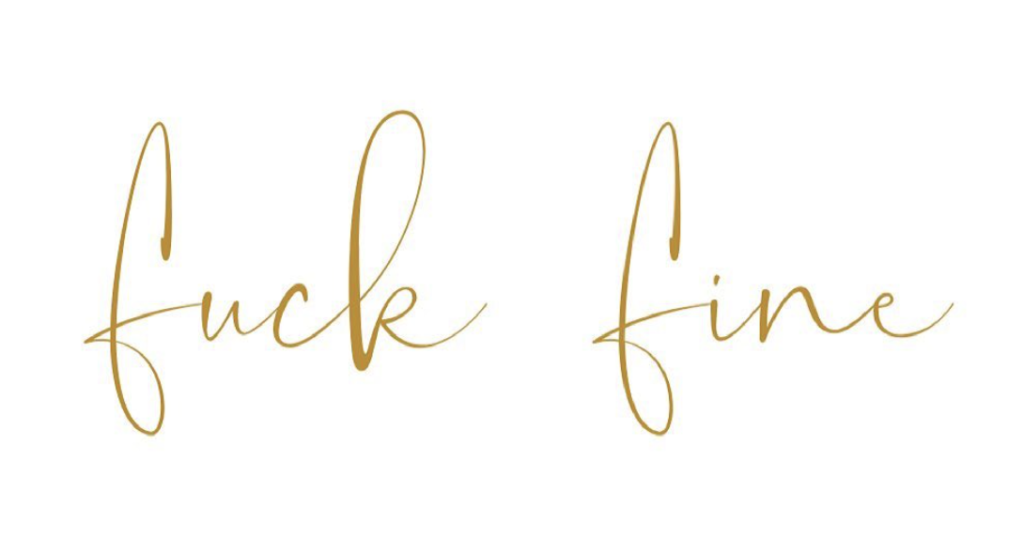
You don’t have to be fine. You don’t have to say you’re fine. And you don’t have to accept it when someone else does either.
The King Doesn’t Budge: Why Real Men Hold Their Center

The king doesn’t ground the board because he’s the loudest or flashiest or most aggressive piece. He grounds the board because he holds, because he does not abandon himself, and because he is clear on what matters and is unwilling to betray it for cheap validation or temporary comfort.
Stepped-Up Fathers: A New Take on Step-Fathers This Father’s Day

Stepped-Up Fathers: A New Take on Step-Fathers This Father’s Day Stepped-Up Fathers: A New Take on Step-Fathers This Father’s Day By Dr. Baruch “B” HaLevi The Lie of Labels We live in a culture obsessed with labels. Conservative. Influencer. Activist. Ally. Feminist. Father. We slap a label on someone and pretend it means something. But here’s the truth: labels don’t make you the thing. You can call yourself a father all day long—but if all you contributed was three minutes and thirty-seven seconds (generous estimate, and yes, that includes foreplay), then what you really were… was a sperm donor. Congratulations. But that doesn’t make you a dad. Same goes for “stepdad.” That word says nothing about who you are—it just tells the world that you didn’t supply the seed. That’s it. So this Father’s Day, let’s stop confusing the label with the legacy. Let’s stop pretending biology earns you reverence. Let’s stop holding up men who did the bare minimum while overlooking the men who gave everything they had and got no label, no credit, no damn name on the wall. And let’s start honoring the men who chose to be our fathers. Sperm Donor Day Let me be clear: this isn’t about shaming biological dads. If you showed up—really showed up—if you raised your kids, carried the load, stayed in the game even when it was thankless and brutal, then you’ve earned the title and the respect that comes with it. But too many men disappeared after conception and still walk around like this day is for them. Let’s call it what it is: Sperm Donor Day. Meanwhile, there’s a silent army of men who weren’t there at the start but chose to be there every damn day after. No obligation. No fanfare. Just devotion. And they’re the ones Father’s Day should be about. They didn’t have to. No court order. No genetic link. Just choice. Just love. Just commitment. And that? That’s the deepest definition of fatherhood there is. A Real Father Named Jerry I think of a guy I’ll call Jerry. Jerry didn’t father any children biologically. Not one. But when he married their mother, he took her kids as his own. He’s raised them. Paid for them. Prayed for them. He’s been to their graduations. Sat through parent-teacher conferences. Waited up at night. Paid the price—financially, emotionally, spiritually. All in. But still, he’s not always given a say. Not always given the same rights. Sometimes not even given the name: father. Why? Because he didn’t contribute DNA? Screw that. If a man pours his time, energy, love, presence, and money into a child’s life, then by any real measure, he is the father. And that man is not a “stepfather.” He’s a father who has stepped up—and that makes him a father. Retire the Word “Stepfather” We need to retire the term stepfather for good. Because steps are what you walk on. And the men I’m talking about? They’re not steps. They’re pillars. They’re the foundation. They’re the ones holding it all together, holding it all up, often without recognition or reward. They’re the fathers in every meaningful sense of the word—even if they never passed on a strand of DNA. This One’s Personal This one’s personal. My biological father—who I loved with everything I had—chose to leave this world. He left my siblings and me with a mountain of pain, confusion, and unanswered questions. He left a mess behind that we’re still working through. But someone else showed up. Howard. He married my mother later in life. He didn’t try to replace my dad. He didn’t push his way in. But he stood steady. He gave of himself. He offered us a different kind of presence. Quiet. Grounded. Humble. And my kids call him Grandpa. Not step-Grandpa. Just Grandpa. Because that’s what he is. He’s not my biological father. But he’s been a father to me. And for that, I don’t need a blood test to know what to call him. Fine—so I don’t call him “Dad,” I call him Howie. But make no mistake—he’s still a father to me. He earned it. With presence. With consistency. With love. The things that actually matter. Men Rising in the Second Half of Life And let’s not forget what this means for the men reading this—especially the men rising up in the second half of life. Because the truth is, by now, most of us aren’t donating swimmers anymore. And let’s be honest, they’re not exactly breaking Olympic records in the butterfly stroke these days. The fatherhood you’re being invited into at this stage of life? It’s not about biology. It’s not about sperm. It’s about spirit. It’s about rising up and becoming a true father—to your partner’s kids, to your community, to the younger men around you who never had a model, never had a mentor, never had a man show up and stay. That’s the invitation. That’s the opportunity. That’s the sacred responsibility. Every man in the second half of life has a choice to make. You can step back—or you can step up. You can disappear—or you can become the father someone else never had. You can check out—or you can check in and claim the role that no one assigned you, but the world desperately needs you to fill. Maybe that looks like leveling up your relationship with your own kids—taking them out one-on-one, telling them what you’ve never said, actually listening instead of lecturing. Maybe it means marrying the woman and finally claiming her kids—not just legally, but emotionally. Or maybe it’s time to mentor. To volunteer. To join Big Brothers, coach the team, teach the class, or just be the steady presence that some kid in your neighborhood is desperate for. You don’t have to change the whole world. Just someone’s world. Let’s Get This Right So this Father’s Day, let’s get this right. Let’s celebrate the fathers who earned the name by doing the work. Let’s
Reflections After Boulder Terror: Are You Decent Or Indecent?

From Boulder to Jerusalem: A Wake-Up Call for Decent People Yesterday, a terrorist incident rocked Boulder, Colorado—the city where I live, where my two college-aged kids go to school, where my people walk, work, and worship. Thankfully, my kids weren’t there. Not because of a lucky break. Because they’re in Israel. And you know what’s insane? They’re safer in Tel Aviv than they are on their American college campus. Let that sink in. I’m not writing today as a coach or therapist. Not even as a rabbi—though I was one for many years. I’m writing as a man, a Jew, an Israeli, an American, and a father. I’m writing on the day of Shavuot—a holiday about receiving wisdom, truth, and the moral law—and I’ve got some Torah for you.Not from a scroll. From the streets. And the Torah is this:We are not okay. You might be physically fine. Maybe your friends and family are too. But if you’re a Jew in America right now—or someone who gives a damn about decency—then no, you are not okay.And you shouldn’t be. Jew Hatred—Call It What It Is Stop calling it anti-Semitism. That word’s been whitewashed.Call it what it is: Jew hatred. It’s crawling across college campuses, bleeding into media, politics, social justice circles—places Jews once called home. And now? Many feel exiled from those same places by the silence or betrayal of allies who once claimed solidarity. Here’s the truth: if you’re still trying to nuance this moment, to contextualize chants like “From the river to the sea” or the glorification of intifada, you’ve already lost the moral plot. I lived in Israel during the second intifada. Buses exploded. Bodies were buried.These words are not theoretical. They are lethal. Viktor Frankl Was Right: There Are Only Two Races My teacher Viktor Frankl survived the Holocaust and saw humanity at its worst. And still, he said: “There are only two races—the decent and the indecent.” I don’t care about your religion, your politics, your pronouns, or your party.If you’re decent, welcome to the team. But decency isn’t a feeling—it’s a behavior.It’s not just thinking good thoughts.It’s standing up, speaking out, and doing the damn work. And silence?Silence is indecent. Period. This Is the Time for Loud and Proud So yeah, I wear my pro-Israel shirts loud and proud.I don’t wear a yarmulke anymore, but my son does. And no, he will not be taking it off.Maybe it’s time for all of us, in solidarity, to wear one! To anyone who says Jews should keep their heads down, I say:Fuck that. Now is the time to rise.Now is the time to be louder, prouder, more defiant than ever. When Sbarro’s pizza in Jerusalem was bombed, Israelis reopened it the next day.That’s what defiance looks like.That’s what resilience looks like.That’s what Jewish survival looks like. Get Armed—With Knowledge and More Every Jew should be armed—legally, responsibly, and mentally. Most Jews I know can’t even argue for Israel because they don’t know enough. That has to change. Read Douglas Murray’s book on October 7th: On Democracies and Death Cults: Israel and the Future of Civilization Listen to Bari Weiss’ podcast Honestly. Listen to Dan Senor’s Call Me Back podcast. Get trained on firearms. Learn Krav Maga. Educate your kids. I indoctrinate my son on the way to school every morning.Not with hate—with history, truth, and strength. And he is 100% of inoculated from the lies and ready to get into the fight when the day comes. And yeah, I believe in physical defense too.There should’ve been someone armed at that event in Boulder.Today, there is. Israelis are now guarding Boulder synagogues. We will not be sheep. Go to Israel. Don’t Cancel. Double Down. Above all else—go to Israel. Cancel your damn trip to Hawaii if you have to, but don’t cancel Israel.Go. See the truth with your own eyes. Now is the time to walk those streets.To swim in those waters.To speak with the people—Arabs, Muslims, Christians, Bedouins, Druze, and Jews—and hear the reality firsthand. Because what you’ll find isn’t apartheid.It’s coexistence. It’s complexity. It’s humanity. And it’s a reality most critics couldn’t survive for one day—much less understand. Decent or Indecent — Pick One If you’re still sitting on the sidelines, still equivocating, still trying to thread the needle between good and evil—wake the hell up. The world doesn’t need more well-meaning moderates.It needs warriors of decency. And if that’s you?Then speak up. Show up. Stand up. And if it’s not? Well, we ain’t hiding. The Covenant Still Stands In fact—we’re coming.Louder. Prouder. Armed with truth, history, and the fire of generations that refused to be erased. Go ahead—curse us, boycott us, gaslight us, cancel us.History has receipts. Every empire that’s tried to erase us? Gone.Egypt. Babylon. Rome. Nazi Germany. Hamas—coming soon. We don’t just survive.We return. We rebuild. We rise. Because the covenant still stands: “I will bless those who bless you, and curse those who curse you.”— Genesis 12:3 And to those who bless the Jewish people, who stand with Israel, who speak up while the rest stay silent: You’re not just on the right side of history.You’re on the right side of eternity. And one way or another…Only the decent will remain standing.
MASK-ULINITY: THE SILLY BOY, THE SHADOW & THE JEFF SPICOLI IN YOU TOO

MASK-ULINITY: THE SILLY BOY, THE SHADOW & THE JEFF SPICOLI IN YOU TOO Peter Pan Syndrome, Hook Syndrome, and the Journey to Wholeness Part of the MASK-ULINITY Series: Enneagram 7: The Silly Boy Let’s start with a scene—not from a textbook, not from therapy, but from Peter Pan. Peter bursts into Wendy Darling’s bedroom in a whirlwind of chaos, chasing something he’s lost: his shadow. Tinkerbell buzzes. Peter zips around like a high-functioning child on too much sugar, trying to tape the damn thing back on. He presses it to his foot, stomps it, pleads with it. Nothing works. Eventually, he collapses, frustrated, fighting back tears—though of course, he swears he’s not crying. Wendy wakes up, sees the wreck of a boy in front of her, and says the most important line in the entire story: “You can’t stick it on. It must be sewn.” Peter, clueless and resistant, blurts out: “What’s sewn?” And there it is—the crisis of masculinity in one innocent question. A boy who can fly, fight pirates, and rally the Lost Boys… but has no idea how to face himself. A master of fantasy, totally inept at reality. You can watch the scene on YouTube. It’s whimsical, yes—but it’s also heartbreakingly familiar. Because a lot of men I know? They’re still trying to tape on their shadows with duct tape and a smile. Peter, Jeff Spicoli, and the Mask of the Silly Boy You’ve seen this guy before. He’s Jeff Spicoli from Fast Times at Ridgemont High—laid back, stoned, surfer-cool, totally allergic to anything that sounds like effort, commitment, or introspection. You laugh at him. You like him. Hell, maybe you are him. He’s fun. He’s free. He’s absolutely empty. Or maybe he’s Peter Pan—flying from one thrill to the next, surrounded by Lost Boys who reinforce his delusion that fun is enough. This is the Silly Boy mask. It’s the Enneagram 7 in reaction mode. Fun. Funny. Flying around. Addicted to the next adventure. And off he goes—faster than you can say that dreaded word: R-E-S-P-O-N-S-I-B-I-L-I-T-Y. He chases highs, novelty, distraction—anything but the truth. He tells jokes to avoid silence. He turns every wound into a witty anecdote. He reframes grief into “a lesson” before he ever actually feels it. And if you challenge him? He disappears. But here’s the secret: underneath the party is pain. Under the mask is a man who’s terrified of stillness. Of sadness. Of shadows. Hook Syndrome: When the Boy Dies and the Shadow Takes Over Now, let’s swing to the other extreme. You remember Captain Hook? That grim, controlling, shadow-drenched man chasing Peter across Neverland? Here’s what most people forget: Hook is in his 40s or 50s. He’s not ancient. He’s not mythical. He’s middle-aged. He’s what Peter fears becoming. Hook is what happens when the Silly Boy dies and the shadow takes over. He’s angry. Bitter. Controlling. Obsessed with time—the ticking crocodile—and haunted by all the things he never became. This is Hook Syndrome: a man completely consumed by responsibility, stripped of joy, dried out by duty. He’s not floating—he’s drowning. Not in play, but in pain. And here’s the truth: most men either live like Peter—running from the shadow—or like Hook—completely overtaken by it. Both are stuck. Both are masks. Neither are free. Pete’s Crash Landing I’ll never forget the day I met a guy whom we’ll just call Pete. He was the quintessential 7—lightning-fast brain, big ideas, always moving. A startup guy. A podcast guy. A “what if” guy. His whole life was one big brainstorm on a whiteboard. But when his father died, the whiteboard got erased. He looked at me with tears in his eyes and said, “I couldn’t fly anymore. I wasn’t the man I wanted to be for my dad. And now it’s too late.” Except it wasn’t too late. It was just the beginning. The loss shattered his illusion of freedom. It brought him crashing out of the clouds and down into the depths. For the first time in his life, he stopped moving—and he started feeling. That’s when we began the real work. He wrote a letter to his dad. He started showing up—not just to his business, but to his wife and daughter. He stopped taping on old ideas and started sewing in something deeper: meaning, grief, truth, responsibility. Not the kind of responsibility that weighs you down. The kind Dr. Viktor Frankl talked about—the responsibility that sets you free. The Responsible Man: Frankl’s Freedom To Frankl said it best: “Freedom is only part of the story and half the truth… Freedom is but the negative aspect of the whole phenomenon whose positive aspect is responsibility.” There’s freedom from—from rules, expectations, weight. But the real transformation happens when a man discovers freedom to. Freedom to commit. Freedom to serve. Freedom to love. Freedom to carry the weight of others. That’s what Pete found. That’s what the boy in every man must find if he ever hopes to grow into someone worth trusting. This isn’t about becoming the “Serious Man.” No one needs more uptight, emotionally constipated, soulless men doing their duty. What we need is the Responsible Man. Not a man buried by burdens. But a man who chooses his burdens. Who says yes—to meaning, to service, to others. And who learns to carry that yes with integrity and presence. The Invitation So where are you in the story? Still floating? Still taping your shadow on with sarcasm, spirituality, or success? Still flinching at the word R-E-S-P-O-N-S-I-B-I-L-I-T-Y? Or are you finally grounded? Finally tired? Finally ready? You don’t have to become Hook. And you don’t need to kill the boy. But you do need to raise him. It might hurt a little. It might feel like dying. But it’s not the end. It’s the beginning of a man who isn’t flying above his life, or drowning beneath it—but walking through it. Not bitter. Not boring. But whole. Real. Authentic. All in. Shadows and all.